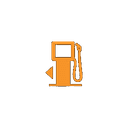
Low Fuel Warning Light — UK Facts
Commonly seen on: All cars
Urgency
Low — refuel soon
Colour
Safe to Drive?
Yes, but refuel as soon as possible
Affects
Fuel System
The low fuel warning light comes on when your fuel level drops to a reserve threshold — typically when you have 40–70 miles of range remaining depending on your car and driving style.
How far can you drive on the low fuel light?
Most UK cars have a reserve of roughly 40–80 miles when the light first illuminates. However, this varies significantly by make and model, and is reduced by motorway speeds, air conditioning use, and carrying heavy loads. Don't treat the fuel light as a challenge — treat it as "refuel in the next 20–30 miles."
Risks of regularly running low:
Fuel cools and lubricates the electric fuel pump submerged in the tank. Running consistently low on fuel means the pump runs hotter, accelerating wear and shortening its life. Fuel pump replacement costs £150–400.
On diesel engines, running dry can introduce air into the fuel system, which needs professional bleeding — an additional inconvenience and cost.
On direct injection petrol engines (GDI, TFSI, TGDI), running very low fuel pressure stresses the high-pressure fuel pump and injectors.
Fuel gauge accuracy:
Fuel gauges are not linear — many cars show "half" when the tank is actually at 60% full, and the gauge drops faster as the tank empties. The last quarter of the gauge empties faster than the first three quarters on most cars. The actual reserve when the warning light comes on varies from 40 to 80 miles — check your car's handbook for the specific figure.
Not sure what's causing your warning light?
Our free AI diagnostic tool asks about your specific symptoms, your car's make and mileage, and any other warning lights then gives you a clear diagnosis and realistic UK repair cost estimate. No account needed.
Start Free AI Diagnosis →Other Warning Lights
View all warning lights →


Warning light icons by H M Niaz Morshed via Vecteezy